
Fashion Portfolio Inspiration: Examples of Stunning Fashion Model Portfolios
Creating a strong fashion model portfolio is essential for models aiming to secure bookings and build their careers. A well-crafted portfolio showcases versatility, professionalism, and the unique qualities of the model. This post provides practical insights and examples of effective fashion model portfolios. It is designed to assist brands, photographers, and clients seeking professional models by highlighting key elements and offering actionable recommendations.
Understanding Fashion Portfolio Inspiration
Fashion portfolios serve as a visual resume for models. They must communicate the model’s range and suitability for different types of work. When looking for fashion portfolio inspiration, it is important to focus on clarity, consistency, and quality of images. Portfolios that stand out typically include a variety of shots such as headshots, full-body images, and editorial-style photos.
A good portfolio balances simplicity with impact. It avoids clutter and uses clean layouts to emphasize the model’s features and expressions. Lighting and composition play a critical role in enhancing the model’s appearance without overshadowing it. Models like Danielle Jacobus have portfolios that demonstrate these principles effectively, making them appealing to brands and casting directors.

Key Elements of Successful Fashion Model Portfolios
Successful portfolios share several common elements. These include:
Diversity of Looks: Different outfits, hairstyles, and makeup styles to show adaptability.
High-Quality Images: Professional photography with sharp focus and good lighting.
Clear Presentation: Organized layout with easy navigation between images.
Relevant Styling: Fashion choices that align with current industry trends.
Natural Poses: Poses that highlight the model’s physique and personality without appearing forced.
Including a mix of commercial, editorial, and runway-style photos can demonstrate a model’s ability to work across various fashion sectors. Additionally, portfolios should be updated regularly to reflect the model’s current look and experience.
What should a fashion portfolio include?
A fashion portfolio should include the following components:
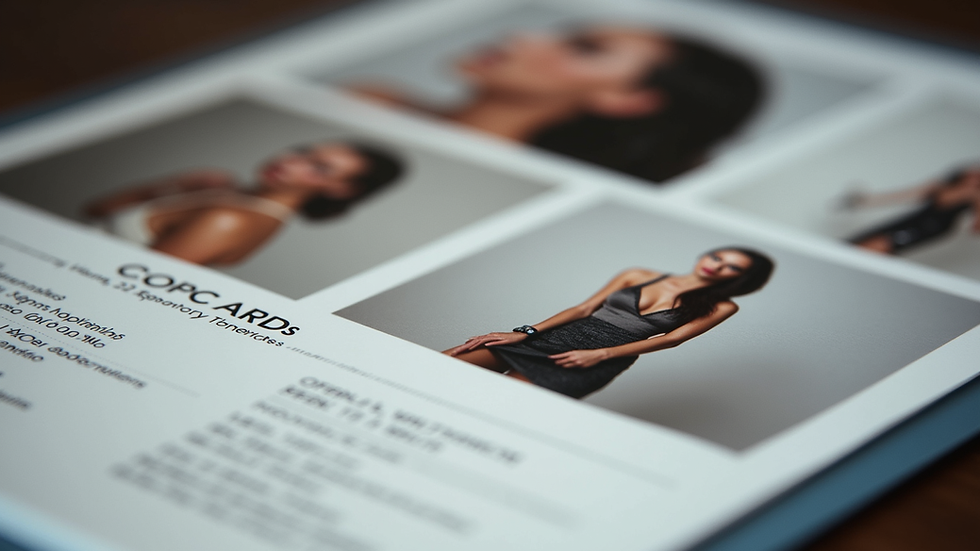
Comp Card or Composite Card: A summary page with key images and vital statistics such as height, measurements, and contact information.
Headshots: Clear, close-up images showing the model’s face with minimal makeup.
Full-Body Shots: Images that display the model’s figure and posture.
Editorial Images: Styled photos that tell a story or fit a specific fashion theme.
Runway Shots: If applicable, images from fashion shows to demonstrate runway experience.
Commercial Shots: Photos that show the model’s ability to sell products or represent brands.
Digital Portfolio: An online version that is easy to share with potential clients and agencies.
Each image should be carefully selected to highlight the model’s strengths. Avoid overloading the portfolio with too many photos; quality is more important than quantity.
Practical Recommendations for Building a Portfolio
When building a fashion portfolio, consider the following steps:
Work with Professional Photographers: Invest in photographers who understand fashion industry standards.
Plan Your Shots: Prepare a shot list that covers all necessary types of images.
Focus on Versatility: Include images that show different moods and styles.
Keep It Updated: Regularly add new work and remove outdated photos.
Use Digital Platforms: Maintain an online portfolio on reputable modeling websites or personal websites.
Seek Feedback: Get opinions from industry professionals to improve the portfolio.
Models should also tailor their portfolios to the type of work they want to attract. For example, a model interested in high fashion should emphasize editorial and runway images, while a commercial model might focus on lifestyle and product shots.
How Fashion Model Portfolios Support Talent Booking
Fashion model portfolios are critical tools for agencies and clients when selecting talent. They provide a quick and comprehensive overview of a model’s capabilities. Agencies like Total Talent Booking use portfolios to match models with appropriate brands and projects. A strong portfolio can open doors to opportunities and help models like Danielle Jacobus advance their careers.
For brands and photographers, reviewing portfolios allows them to assess if a model fits the aesthetic and requirements of their campaigns. Portfolios that are clear, professional, and well-curated save time and improve the booking process.
For those interested in viewing a range of effective examples, fashion model portfolio examples offer valuable insights into current industry standards and trends.
Final Thoughts on Fashion Portfolio Development
Developing a fashion portfolio requires attention to detail and a strategic approach. It is a continuous process that evolves with the model’s career. By focusing on quality, diversity, and professionalism, portfolios can effectively showcase talent and attract the right opportunities.
Models and their representatives should prioritize creating portfolios that reflect their unique strengths and align with industry expectations. This approach supports successful talent booking and career growth in the competitive fashion market.


Comments